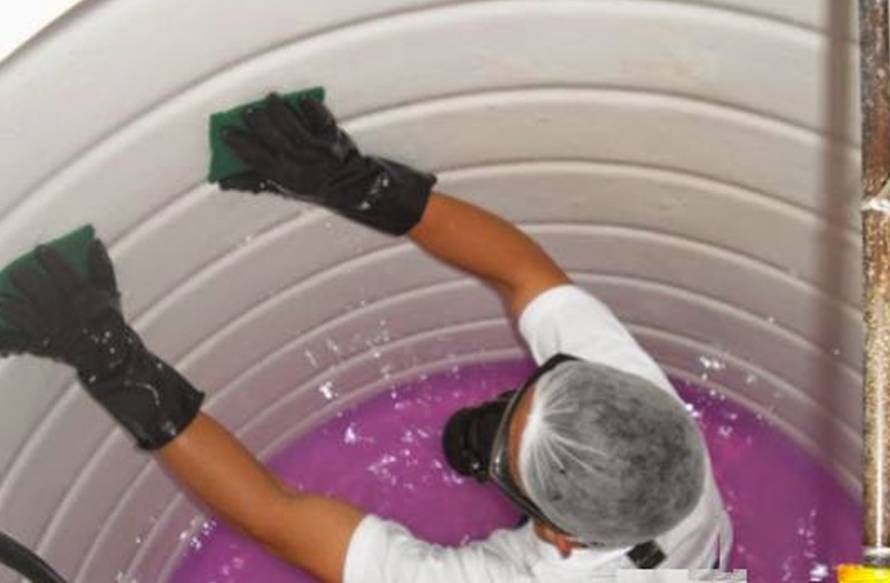
Running a restaurant in Abu Dhabi means maintaining proper kitchen hygiene and wastewater management. A grease trap helps prevent fats, oils, and grease (FOG) from entering the drainage system, reducing the risk of odours, blockages, and wastewater issues.
For restaurants and cafés, proper grease-trap management is also part of applicable trade-effluent requirements. So, is your grease trap properly maintained and compliant?
Quick Answer
Yes, grease trap management is important for restaurants and cafés in Abu Dhabi. Regular cleaning and proper maintenance help prevent blockages, bad odours and hygiene issues. Cleaning frequency depends on kitchen activity, grease buildup and trap size.
What does grease trap compliance involve?
Proper grease trap compliance Abu Dhabi involves more than simply having a trap installed.
Restaurants should ensure that their grease removal equipment is:
- Properly installed
- Accessible for maintenance
- Regularly inspected
- Cleaned according to actual grease accumulation
- Properly maintained
- Supported by appropriate waste-disposal arrangements
The goal is to prevent excessive FOG from entering the wastewater system while keeping the kitchen operating safely and efficiently.
How Often Should Restaurants Clean a Grease Trap?
There is no golden rule as to when to clean in every restaurant. The quantity of grease generated by a small café, where there isn’t a lot of cooking, will be different to a busy restaurant that is preparing hundreds of meals daily.
This means grease trap cleaning frequency should be determined based on actual usage and grease accumulation.
|
Restaurant factor |
Effect on cleaning needs |
|---|---|
|
Small café |
Generally lower grease production |
|
Large restaurant |
Higher wastewater and FOG volume |
|
Heavy frying |
Faster grease accumulation |
|
High daily covers |
More frequent buildup |
|
Small grease trap |
May require more frequent servicing |
|
Visible buildup |
Indicates cleaning may be required |
One way to do this is to set up a maintenance routine and modify it based on the rate of filling of the trap.
The Abu Dhabi Code of Practice also includes measurable indicators for cleaning. For instance, when the surface layer and settled solids within the interceptor hit certain levels, cleaning will be indicated.
So, instead of asking only, “How many months can we wait?”, restaurants should also ask, “How quickly is our grease trap accumulating FOG?”
What Happens If You Don’t Clean Your Grease Trap?
Ignoring grease trap maintenance can create problems long before an inspection takes place.
As grease and food solids accumulate, wastewater may struggle to pass through the system.
This can result in:
Blocked drains
Grease can accumulate in connected drainage pipes and restrict wastewater flow.
Bad odours
Old grease, food particles and wastewater can produce strong unpleasant smells around the kitchen.
Overflow
An overloaded grease trap may eventually cause wastewater or grease to back up.
Hygiene concerns
Overflowing wastewater and accumulated waste can create an unhygienic kitchen environment.
Operational disruption
A serious blockage can force a restaurant to stop using affected sinks, drains or kitchen areas until the problem is resolved.
Compliance problems
Abu Dhabi’s trade-effluent framework sets out the requirements to manage the amount of wastewater entering the sewerage system.
As a result, businesses should not only be concerned about restaurant grease traps fines after a warning. Taking a different route to solving problems is the more practical way around; preventive maintenance.
Important: There isn’t one universal publicly stated “grease trap fine” that applies to every restaurant situation. Any penalty depends on the specific violation and applicable regulatory or enforcement provisions.
Signs Your Grease Trap Needs Cleaning
Your kitchen will often give you warning signs before a grease trap becomes a major problem.
- Persistent bad odour
A strong smell coming from the trap or nearby drains can indicate accumulated grease and organic waste.
- Slow drainage
If sinks or floor drains are taking longer than usual to empty, grease buildup may be restricting the system.
- Grease around the trap
Visible grease accumulation around the trap should not be ignored.
- Wastewater backup
Water backing up through kitchen drains is a clear indication that the drainage system needs attention.
- Frequent drain blockages
If your kitchen repeatedly experiences drainage issues, the grease trap and connected pipework should be inspected.
Regular inspection can help identify these issues before they become an emergency.
What Does Professional Grease Trap Cleaning Include?
Professional cleaning should involve more than simply removing the grease that can be seen from the surface.
A typical service may include:
Inspection: The technician checks the trap, its condition and the level of accumulated FOG.
Pumping and removal: Accumulated grease, fats, oils and solids are removed from the interceptor.
Degreasing: Internal surfaces and components are cleaned to remove remaining buildup.
Inspection: The system is checked for obvious issues that could affect its operation.
Waste handling: The removed material needs to be handled and disposed of appropriately.
Service documentation: Details of the cleaning can be recorded for future maintenance and business records.
The Abu Dhabi Code of Practice outlines pump-outs and cleaning for larger grease interceptors, requiring them to be done by an environmental service provider that has been registered with the waste-management authority.
FOG Disposal in Abu Dhabi: Why It Matters
Proper FOG disposal Abu Dhabi helps restaurants prevent grease buildup, drainage problems and unnecessary kitchen disruptions.
- Prevent grease buildup
- Reduce drain blockages
- Support proper waste disposal
- Maintain kitchen hygiene
- Keep operations running smoothly
DIY vs Professional Grease Trap Cleaning
In some cases, the smaller grease traps are easy to access and can be easily serviced. But, commercial restaurants will have to manage higher quantities of grease and wastewater.
|
DIY cleaning |
Professional cleaning |
|---|---|
|
Suitable only for certain smaller systems |
Suitable for commercial systems |
|
Limited equipment |
Professional pumping and cleaning equipment |
|
Waste handling remains the restaurant’s responsibility |
Waste removal can be handled through the service |
|
Limited inspection |
Trap and system condition can be assessed |
|
Documentation may be limited |
Service records can be maintained |
|
Greater risk of incomplete cleaning |
More comprehensive cleaning |
The biggest difference is not simply convenience.
Professional cleaning can offer a more distinct maintenance history and aid in the collection and disposal of accumulated FOG in a commercial kitchen.
How Much Does Grease Trap Cleaning Cost in Abu Dhabi?
There is no single grease trap cleaning cost Abu Dhabi price that applies to every restaurant.
The final cost can depend on:
- Grease trap size
- Amount of accumulated waste
- Location and accessibility
- Cleaning frequency
- Pumping requirements
- Waste transportation
- Emergency or scheduled service
- Additional drainage work
The needs of a restaurant with a big external interceptor and a high level of grease generated will be different to those of a small café that has an under-sink unit.
How to Choose a Grease Trap Cleaning Company in Abu Dhabi
Choosing the right service provider is important because grease trap cleaning involves both maintenance and waste handling.
Before hiring a company, check the following:
- Relevant experience
Choose a provider experienced in commercial kitchens, restaurants and grease removal systems.
- Waste-disposal arrangements
Ask how the collected grease and waste will be transported and disposed of.
- Cleaning process
Confirm whether the service includes pumping, degreasing, inspection and cleaning.
- Documentation
Ask whether the company provides service reports or relevant disposal documentation.
- Emergency response
If your restaurant operates throughout the week, emergency support can be useful when an unexpected blockage or overflow occurs.
- Maintenance plans
A scheduled cleaning plan can make it easier to maintain consistent grease trap cleaning frequency rather than waiting until a problem occurs.
Abu Dhabi Grease Trap Compliance Checklist
Before considering your restaurant’s grease trap maintenance complete, check:
- Is the grease trap correctly installed?
- Is it accessible for cleaning?
- Is it being inspected regularly?
- Is there a documented cleaning schedule?
- Are grease and solids being removed properly?
- Is FOG being disposed of through appropriate channels?
- Are service records being maintained?
- Does the cleaning frequency match your kitchen’s actual usage?
- Do you have access to emergency cleaning when required?
If several answers are “no”, your grease management process may need attention.
FAQ
Restaurants and cafés covered by Abu Dhabi’s low-risk trade-effluent Code of Practice are required to have suitable grease removal equipment. Proper inspection, maintenance and cleaning are important for keeping that system effective.
The number of times a restaurant needs to be cleaned depends on the restaurant. The schedule should be determined by the production of grease, kitchen activity, trap capacity and the amount of FOG in the trap.
Trade-effluent requirements fall under Abu Dhabi’s wastewater regulatory framework, with the Department of Energy responsible for relevant regulatory oversight. Food establishments may also be subject to other applicable food-safety and environmental requirements.
The price depends on the dimensions of the trap, grease build-up, how easy it is to get into the area and the type of service needed. The highest possible accuracy in determining the actual cost is achieved through a professional assessment.
Conclusion
For Abu Dhabi businesses, professional cleaning is an important part of maintaining a healthy, comfortable and presentable commercial environment. Dust, humidity, foot traffic and continuous use can quickly affect workplaces, making a structured cleaning plan more effective than occasional tidying.
Choosing the right commercial cleaning services Abu Dhabi provider can help businesses maintain consistent standards while reducing the burden on internal teams. With the right combination of routine and specialised cleaning, businesses can create cleaner premises that support employees, visitors and the overall professional image of the organisation.